Skina

TYPE:

UX/UI Case Study

MY ROLE:

Research, Branding & Prototyping

DURATION:

3 weeks
Cover
Cover
Cover

Skina

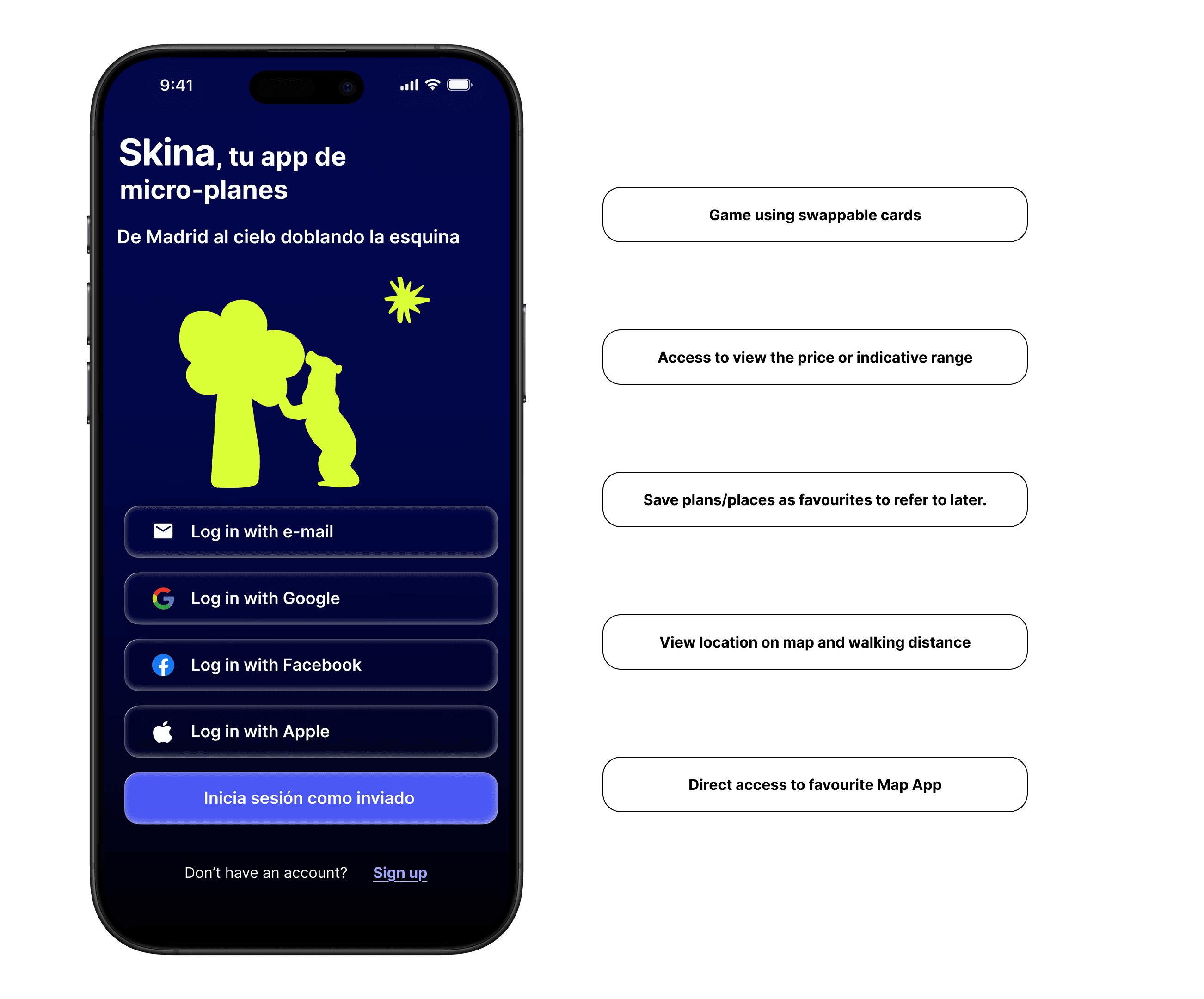
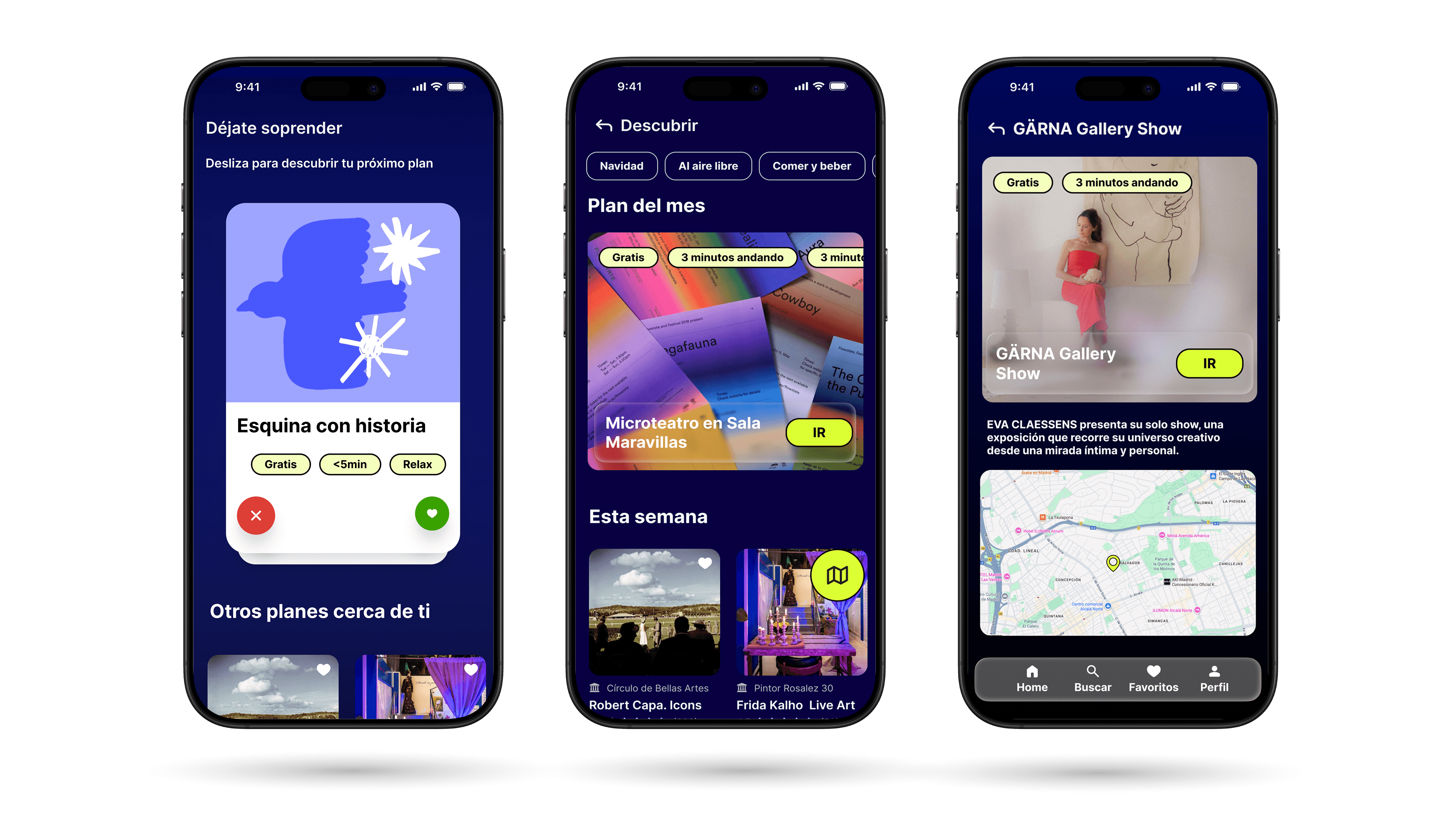
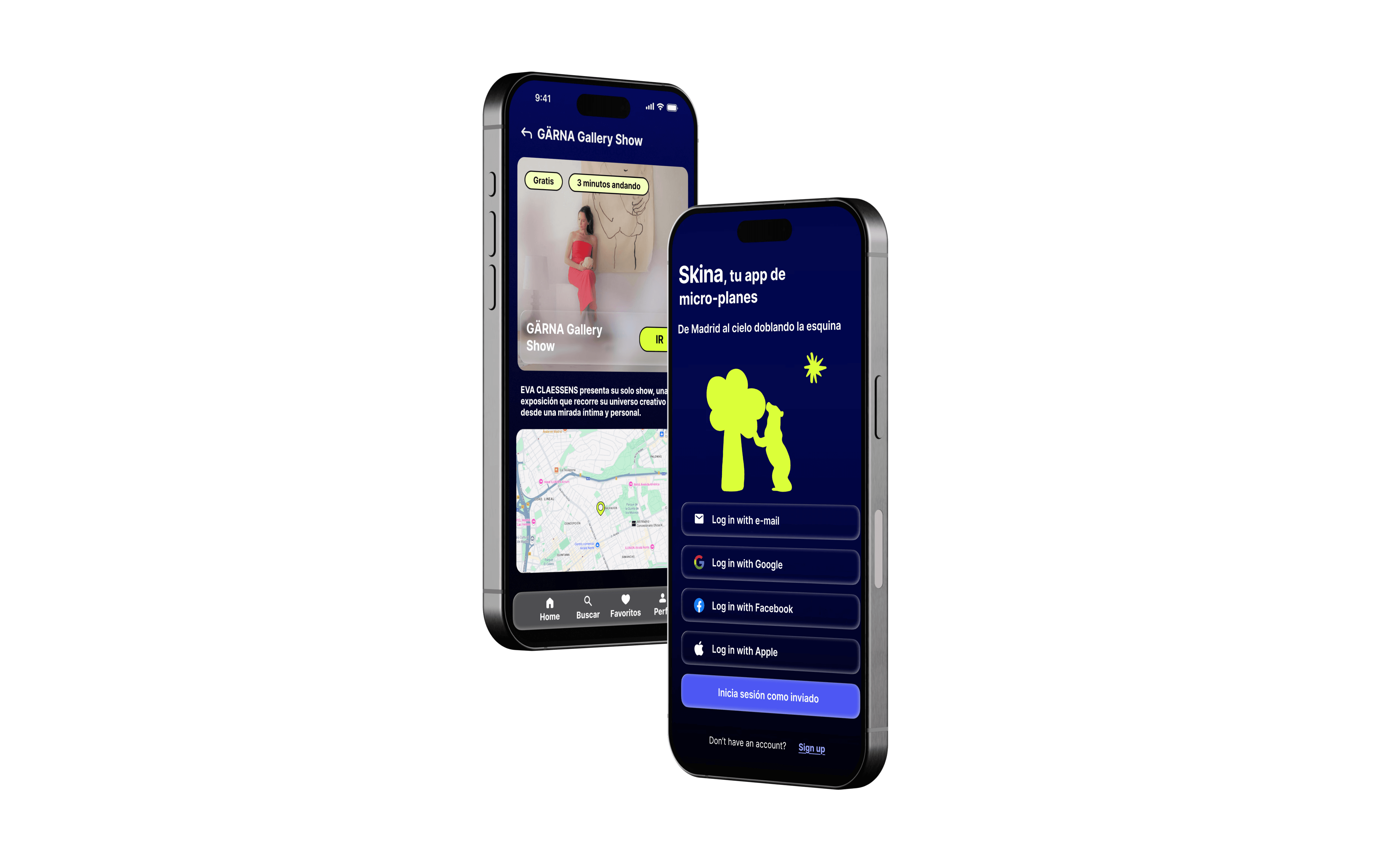
Transforming traditional leisure—long, planned, generic activities—into short, 5–30 minute experiences that fit naturally into daily routines.

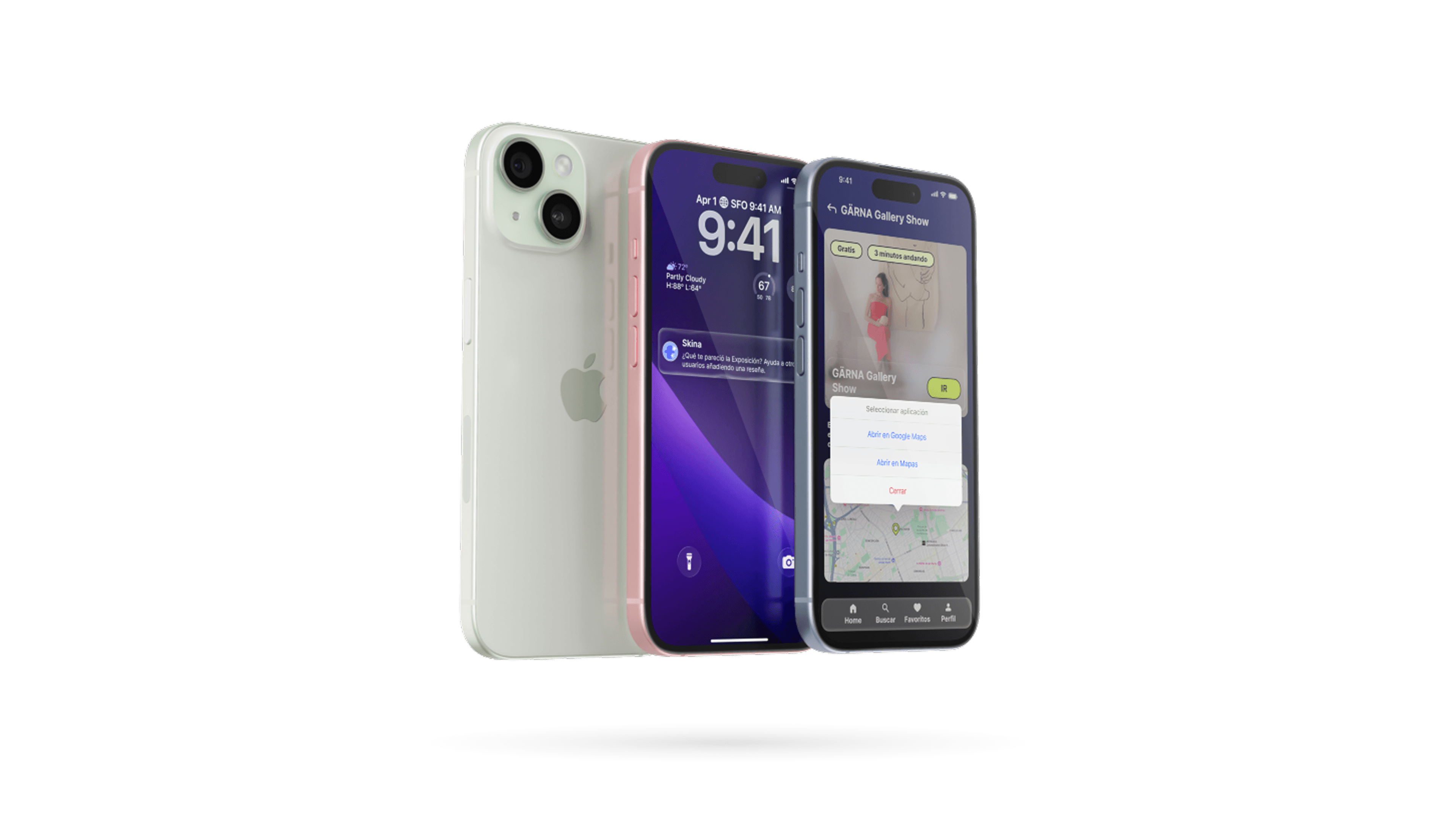
Leveraging geolocation and contextual notifications to suggest spontaneous, almost “hands‑free” plans.

Encouraging more spontaneous, sustainable engagement with local culture and businesses, turning the immediacy of the city into an advantage for the user.

Research

Benchmark

The benchmark analysis focused on both direct and indirect competitors within the experiences marketplace ecosystem. Direct competitors such as Fever and TripAdvisor offer a wide range of curated experiences and strong social proof mechanisms, but often present information overload and limited personalization in discovery flows. As an indirect competitor, Google Maps plays a key role in local exploration, providing accessibility and real-time context, although it lacks emotional curation and experiential focus. This analysis helped identify opportunities to create a more intuitive, personalized, and experience-driven platform.

SWOT

Top opportunities voted by users: 1. Rekindle general interest 2. Low-cost or free plans 3. Short and accessible activities

Insight

Key Insights Users express frustration with current experience platforms, describing them as time-consuming, expensive, and lacking immediacy. There is a strong sensitivity to price, available time, and distance, especially when planning spontaneous activities. Many participants reported that their free time is often wasted due to decision fatigue or lack of relevant options. At the same time, there is a clear appreciation for supporting local businesses, although not at the expense of excluding well-known chains.

Benchmark

The benchmark analysis focused on both direct and indirect competitors within the experiences marketplace ecosystem. Direct competitors such as Fever and TripAdvisor offer a wide range of curated experiences and strong social proof mechanisms, but often present information overload and limited personalization in discovery flows. As an indirect competitor, Google Maps plays a key role in local exploration, providing accessibility and real-time context, although it lacks emotional curation and experiential focus. This analysis helped identify opportunities to create a more intuitive, personalized, and experience-driven platform.

SWOT

Top opportunities voted by users: 1. Rekindle general interest 2. Low-cost or free plans 3. Short and accessible activities

Insight

Key Insights Users express frustration with current experience platforms, describing them as time-consuming, expensive, and lacking immediacy. There is a strong sensitivity to price, available time, and distance, especially when planning spontaneous activities. Many participants reported that their free time is often wasted due to decision fatigue or lack of relevant options. At the same time, there is a clear appreciation for supporting local businesses, although not at the expense of excluding well-known chains.

Benchmark

The benchmark analysis focused on both direct and indirect competitors within the experiences marketplace ecosystem. Direct competitors such as Fever and TripAdvisor offer a wide range of curated experiences and strong social proof mechanisms, but often present information overload and limited personalization in discovery flows. As an indirect competitor, Google Maps plays a key role in local exploration, providing accessibility and real-time context, although it lacks emotional curation and experiential focus. This analysis helped identify opportunities to create a more intuitive, personalized, and experience-driven platform.

SWOT

Top opportunities voted by users: 1. Rekindle general interest 2. Low-cost or free plans 3. Short and accessible activities

Insight

Key Insights Users express frustration with current experience platforms, describing them as time-consuming, expensive, and lacking immediacy. There is a strong sensitivity to price, available time, and distance, especially when planning spontaneous activities. Many participants reported that their free time is often wasted due to decision fatigue or lack of relevant options. At the same time, there is a clear appreciation for supporting local businesses, although not at the expense of excluding well-known chains.

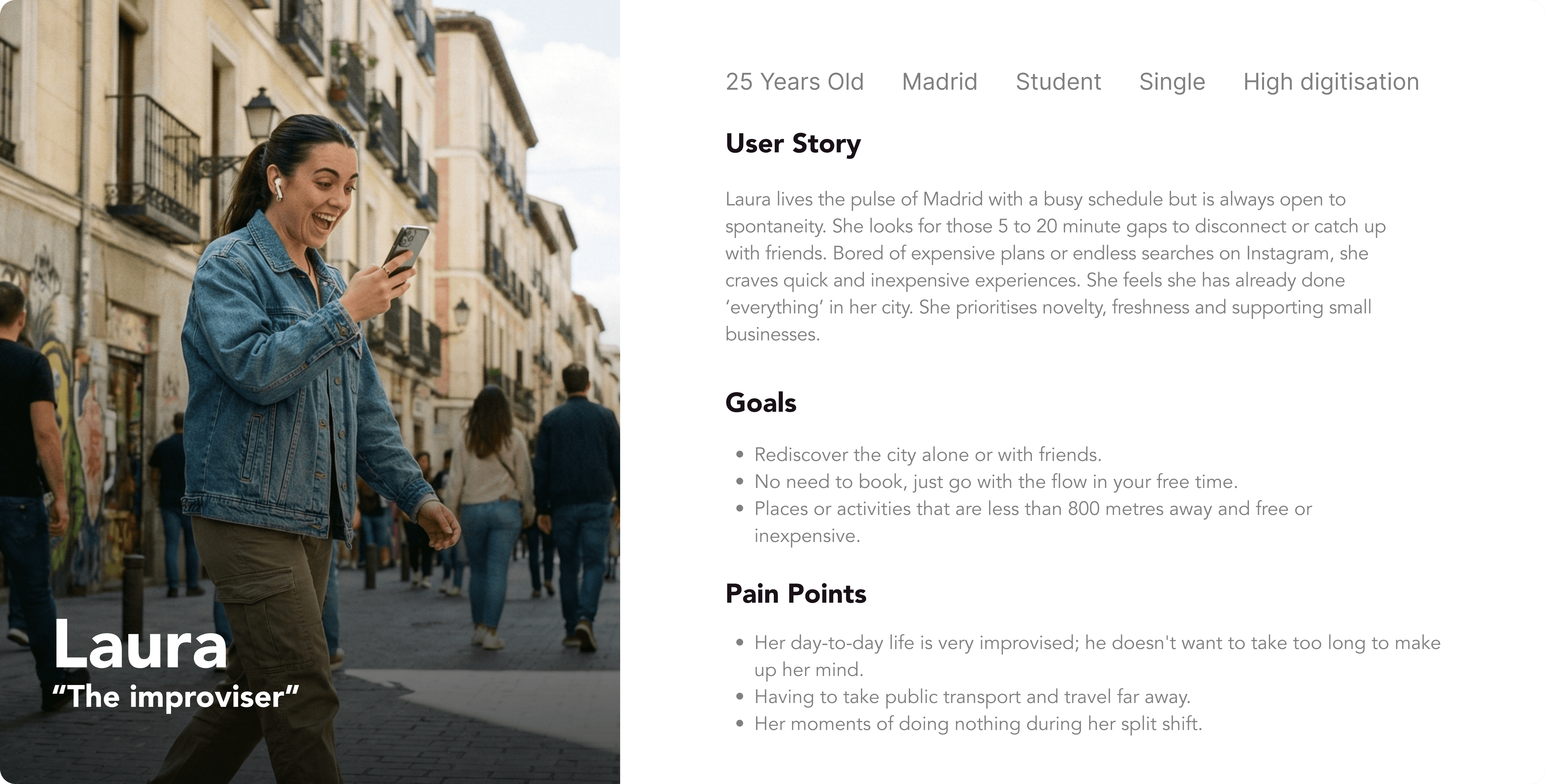
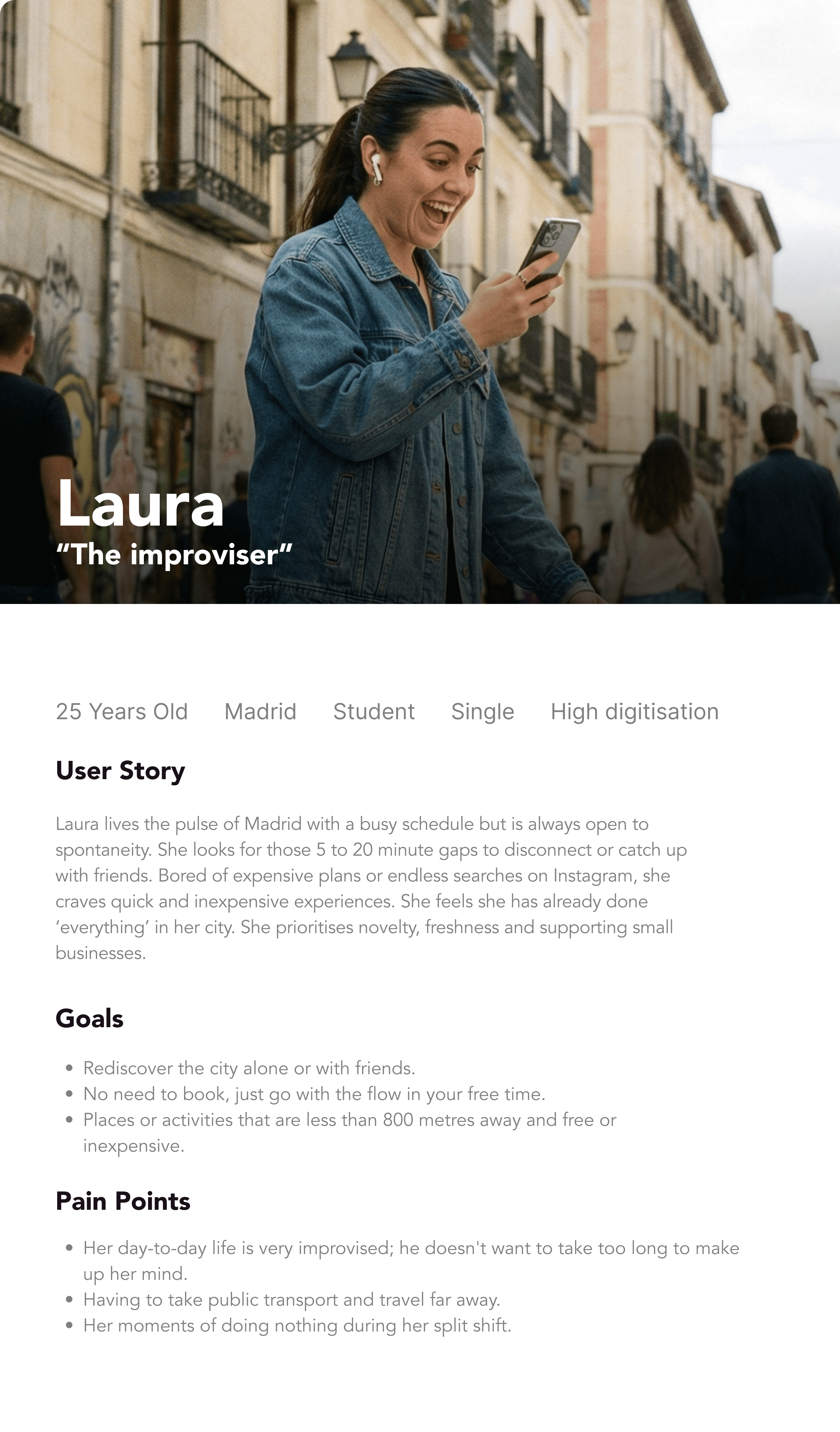
User persona

Showcase image
Showcase image
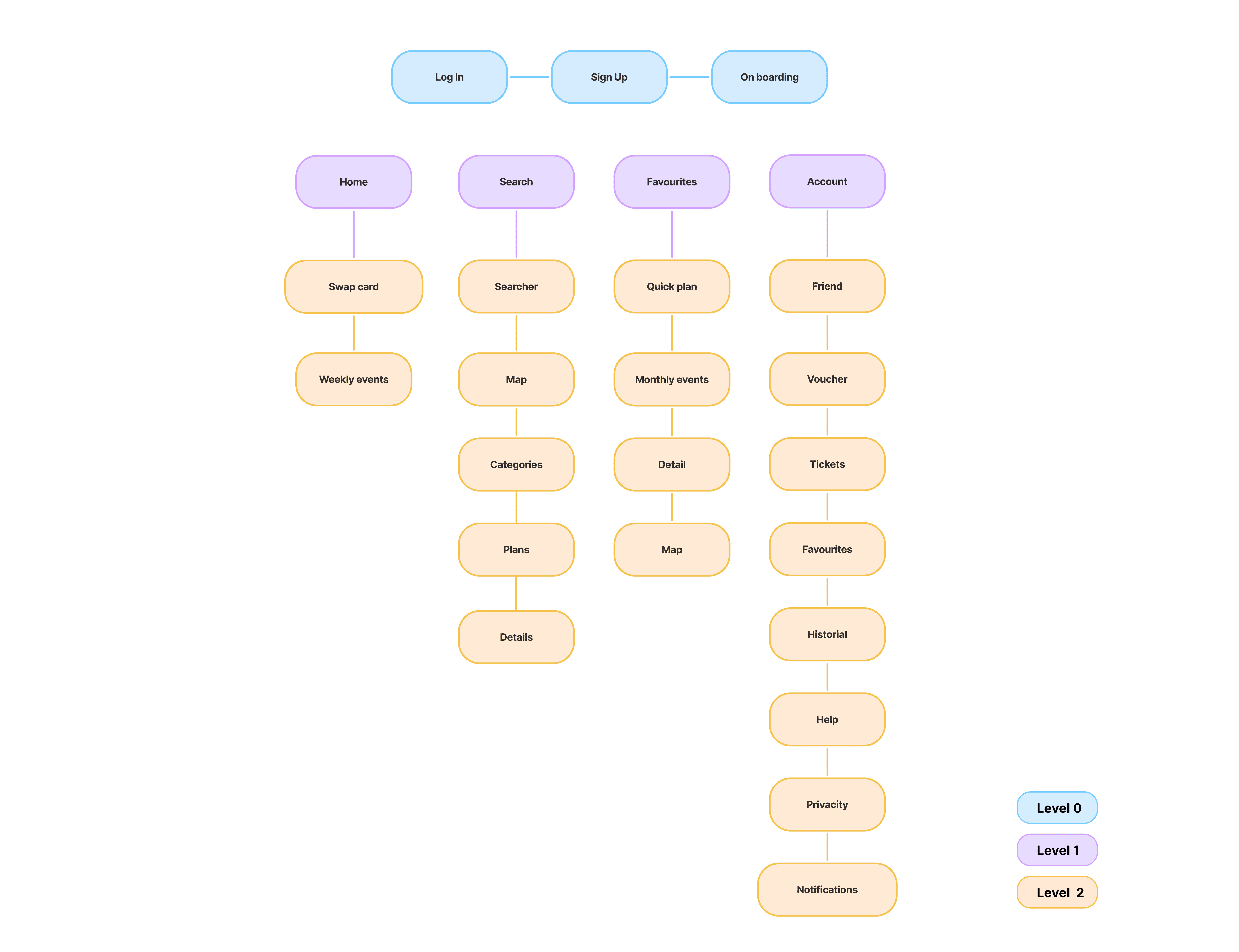
Arquitectura de la información
Showcase image
Showcase image
Showcase image

Based in 3 levels. The information architecture organizes content into clear, intuitive categories, allowing users to easily discover, explore, and book experiences without cognitive overload. Navigation is designed to be simple, scalable, and accessible, supporting different user needs and decision-making paths.
Visual identity
Showcase image
Showcase image
Showcase image
Showcase image
Showcase image
Showcase image
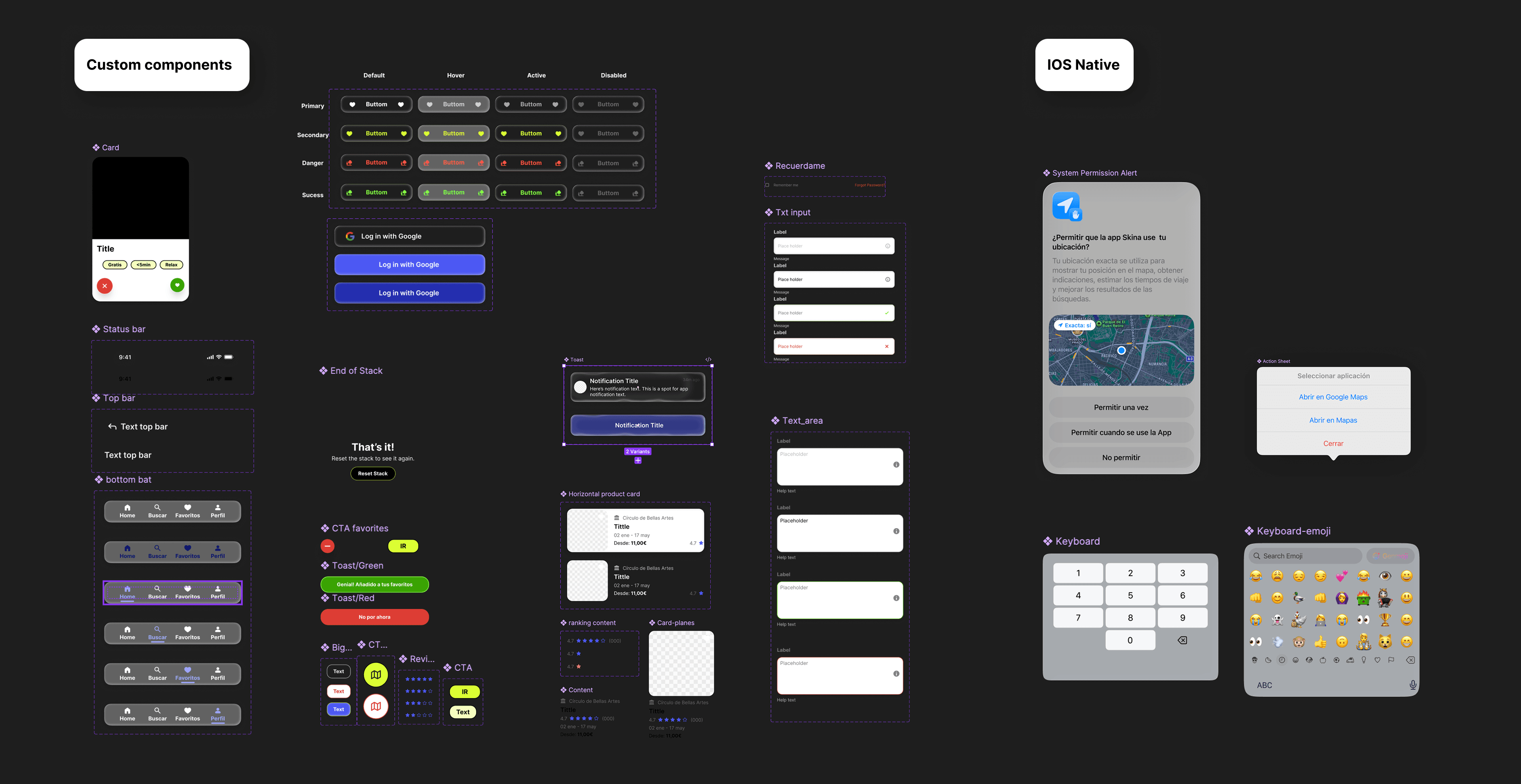
Design System : Urban
Showcase image
Showcase image
Showcase image
Showcase image
Showcase image
Showcase image
MPV1
Showcase image
Showcase image
Mockups


Key Takeaways
Focusing on local experiences increased my motivation, as I strongly believe this type of product can positively impact how people engage with their city and build meaningful connections with their surroundings.

How do I draw Frames?

To draw a Frame, click on Layout in the Toolbar, then select Frame. Now, you can click and drag anywhere on the Canvas.

How do I add images?

To add an image, select any Frame, and either double-click on it, or go to the Fill property. In the Fill property, switch to the image icon. Here, you can upload images.

How do I add videos?

To add a video to your site, click the “Insert” button and navigate to the “Media” section. Then, drag and drop a video component onto the Canvas.

Create a free website with Framer, the website builder loved by startups, designers and agencies.